New Delhi, August 2026: Your gut bacteria have been producing it for years. Scientists have been publishing research on it since 2007. And most people have never heard of it.
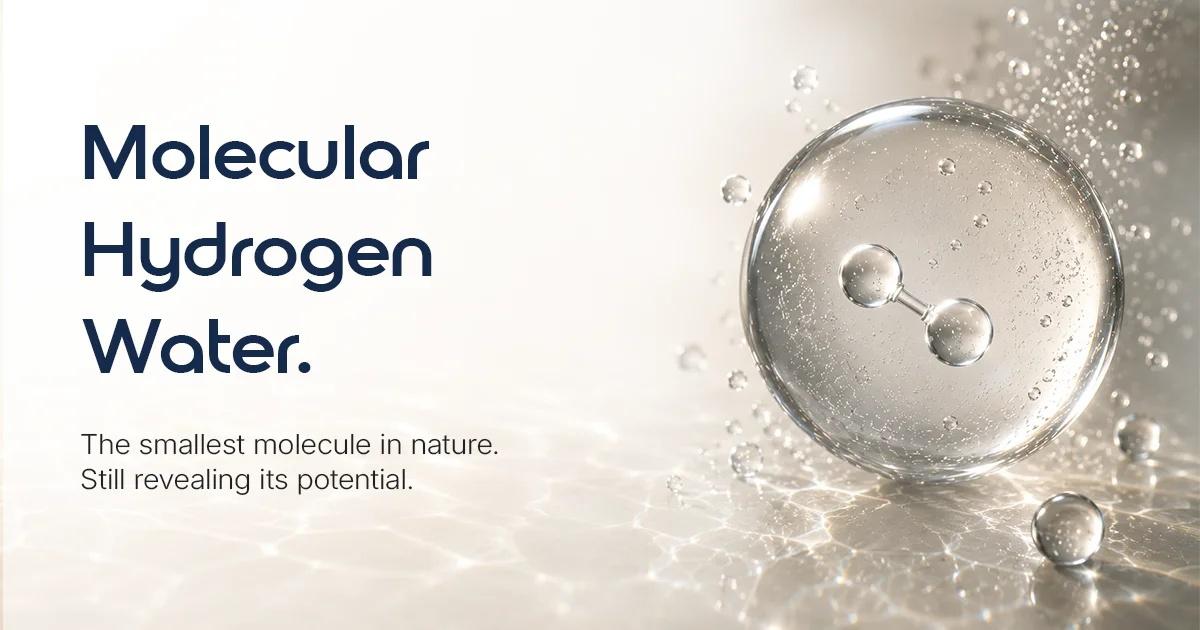
Molecular hydrogen — H₂, two hydrogen atoms bonded together and dissolved in water — is the smallest molecule in existence. At 2 atomic mass units, it is roughly 88 times smaller than Vitamin C. That size is not a detail. It is the entire story.
Every antioxidant works by neutralising free radicals — the reactive particles that cause internal wear in cells and tissues. The problem with most antioxidants is that they neutralise indiscriminately: harmful radicals and beneficial ones alike. Molecular hydrogen is different. A landmark 2007 study in Nature Medicine — cited over 2,500 times since — established that H₂ targets only the most cytotoxic radicals while leaving the beneficial ones intact. It is, in the language of chemistry, a selective antioxidant.
Since that 2007 paper, over 1,300 peer-reviewed studies indexed on PubMed have explored molecular hydrogen across a range of physiological contexts. The research community takes it seriously. The honest position is that most of this work is pre-clinical — animal models, in vitro studies, and small human trials. Large-scale randomised controlled trials are still developing. The science is promising and consistent. It is not settled.
What is settled is the chemistry: electrolysis — passing electric current through water over charged platinum-titanium plates — releases hydrogen gas into the water at measurable concentrations. The unit is ppb: parts per billion. This is the only metric that separates a product with genuine dissolved hydrogen from one that merely claims it.
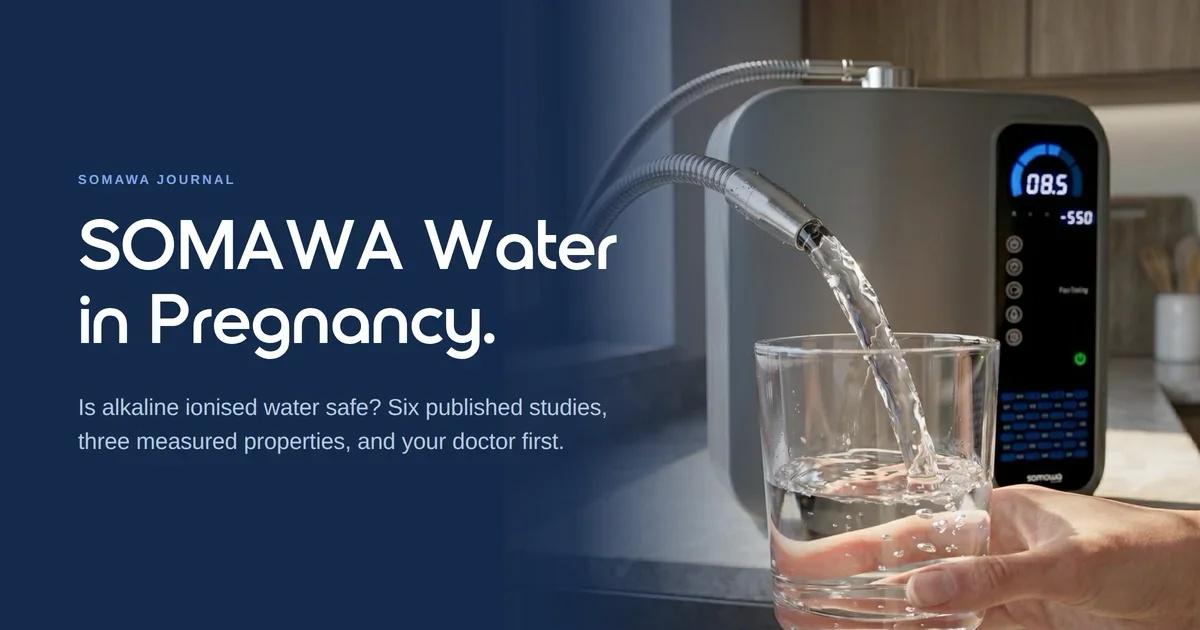
SOMAWA water ionizers deliver a minimum of 1,500 ppb of dissolved molecular hydrogen as standard across all models. The flagship Modish delivers up to 2,000 ppb. The molecule is produced fresh at the tap — because hydrogen escapes water rapidly, the only meaningful delivery is at the moment of consumption.
Molecular hydrogen is already inside you. Your gut bacteria produce it as a byproduct of fibre fermentation. No known toxicity has been identified in any published study. What SOMAWA water adds is a significantly higher, measurable concentration — with a live ppb reading available before any purchase is made.
"Most people have heard of antioxidants. Almost nobody has heard of the smallest one — the one that can reach places inside a cell that Vitamin C cannot. That knowledge gap is what we are trying to close, one honest conversation at a time."
— SOMAWA Water Experts
The full article — including the complete research breakdown, comparisons, and answers to the most common questions — is available at somawa.com/journal/molecular-hydrogen-water.
About SOMAWA
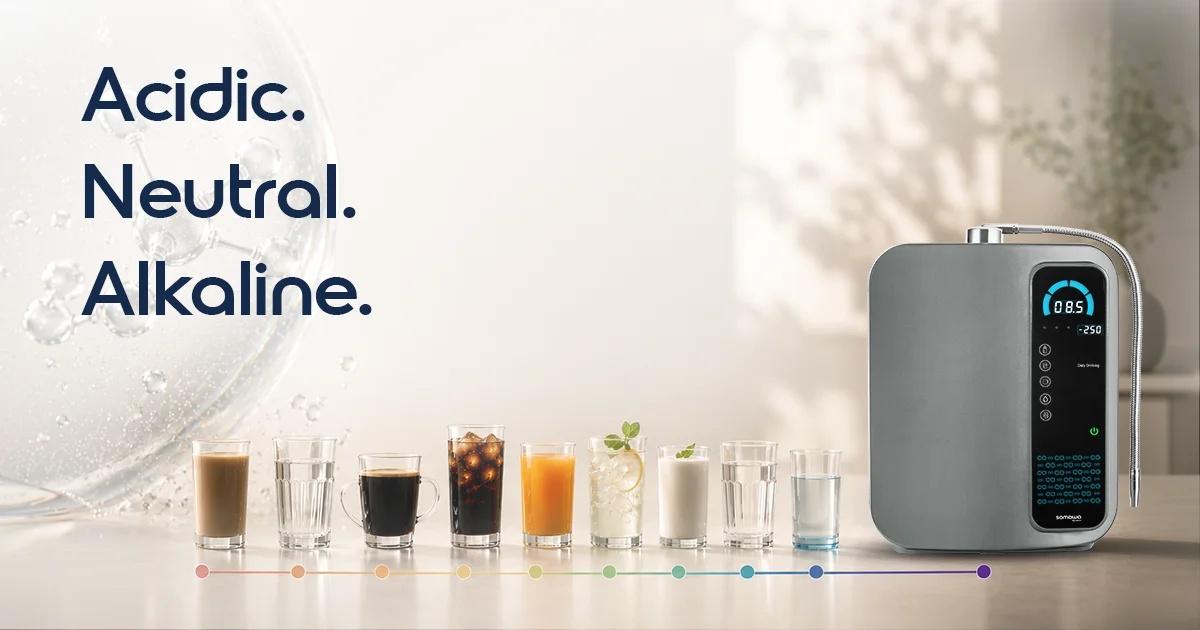
SOMAWA is a luxury water wellness brand and the only water ionizer company in India institutionally backed and incubated by NRDC (National Research Development Corporation), an enterprise of DSIR under the Ministry of Science and Technology, Government of India. SOMAWA water delivers a minimum of 1,500 parts per billion of dissolved molecular hydrogen with a pH starting at 8.5, designed to hydrate deeply while retaining the natural minerals water was always meant to carry. The brand's range — Modish, Amara, Amara NXT, Udaka, and Toya — serves households across India with indigenously manufactured ionizers engineered for Indian water conditions, backed by a service infrastructure across 500+ cities.
Disclaimer: SOMAWA products are wellness devices, not medical treatments. Nothing in this article constitutes medical advice. SOMAWA does not claim to cure, treat, or prevent any condition. SOMAWA is institutionally backed and incubated by NRDC, an enterprise of DSIR under the Ministry of Science and Technology, Government of India.