People often expect recovery to happen after one life-changing moment. In reality, it usually unfolds much more quietly. For most people, progress comes through small decisions repeated every day, not overnight breakthroughs. Some weeks feel encouraging. Others feel frustrated. Over time, those small steps begin to add up and lasting change starts to feel possible.
For families, this can take some getting used to. After weeks or months of worry, seeing a loved one improve naturally brings hope. It's easy to think the hardest part is over. That's usually when the real challenge begins, because everyday life slowly returns. This is the time when people learn how to manage everyday challenges without falling back into old patterns.
That's where rehabilitation centres make a real difference. Their role goes far beyond helping someone through the early stages of treatment. They give people something that's often missing during the early stages of healing: stability, professional support and a place where rebuilding life feels achievable.
Why Structured Rehabilitation Improves Recovery Outcomes
The first few weeks after treatment often feel uncertain. It's common for emotions to change from one day to the next, and situations that once seemed ordinary can suddenly become difficult to handle. Old routines and familiar triggers don't disappear overnight, which is why this stage needs patience as much as determination.
For many families, finding a rehabilitation centre in Chennai is about more than choosing a location. They're looking for experienced professionals, a clear treatment plan and somewhere their loved one feels safe enough to begin again.
The structure often includes:
- Predictable daily schedules
- Regular meals and rest
- Scheduled therapy sessions
- Consistent medical supervision
A predictable routine gives people one less thing to worry about. Meals, therapy sessions and time to rest all have their place, while trained professionals are close by if someone needs support during a difficult moment.
Families often feel the difference too. Watching a loved one recover can be emotionally exhausting, and it's easy to feel like every responsibility rests on your shoulders. Experienced professionals support families throughout the process, easing some of the pressure and reminding them they don't have to handle everything alone.
The Importance of Therapy, Routine and Family Support
People often assume recovery is all about therapy sessions. Therapy is important, but it's only one part of the picture. Progress also comes from everyday routines, honest conversations and having the right people around you when things feel difficult.
Individual Counselling
There are plenty of things people don't feel comfortable saying out loud, especially during the first few days of treatment. Individual counselling gives them the space to do exactly that.
Some sessions focus on anxiety or past experiences. Others might explore stress, relationships or the situations that lead someone back to drinking or using drugs. The conversation changes from person to person because no two people arrive with the same experiences.
Healthy Daily Routine
Recovery isn't only about the big breakthroughs. It's also about getting back into the rhythm of everyday life.
Sleeping properly, eating regular meals and staying active can make a noticeable difference to how someone feels from one week to the next. They may sound like simple things, but they're often the first habits to disappear when life becomes difficult. Building them again is an important part of recovery.
A healthy routine often includes:
• Regular sleep
• Balanced meals
• Daily movement
• Consistent meal and sleep times
Group Therapy
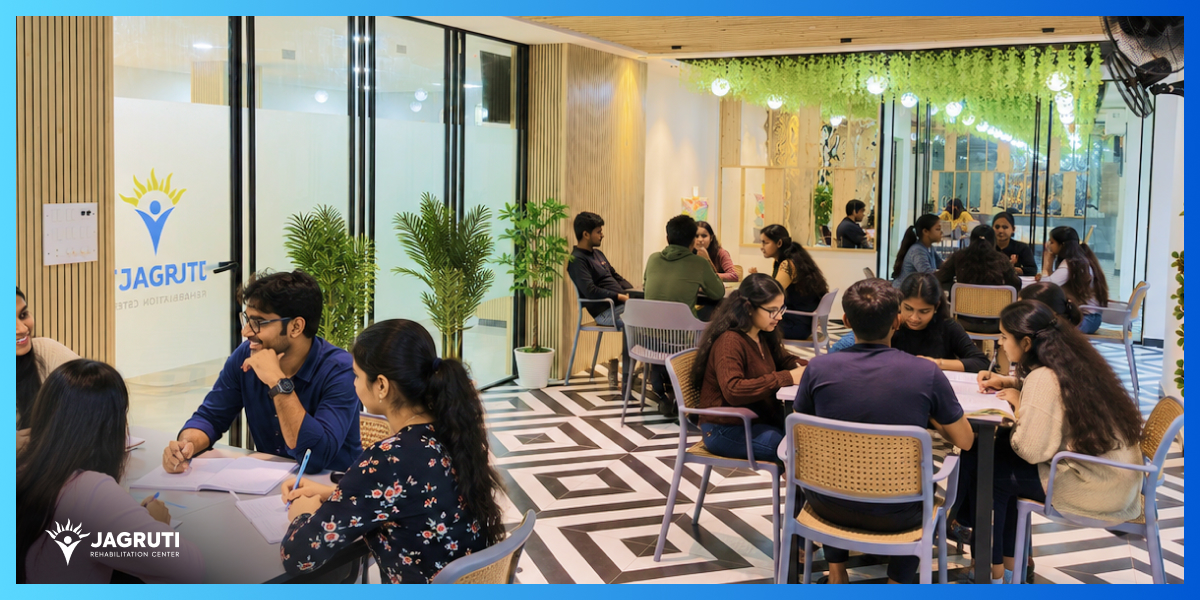
Walking into a room full of strangers can feel uncomfortable at first. That usually doesn't last long. As people begin sharing their stories, they often realise they've been carrying the same worries as everyone else. That sense of connection matters. It reminds people they aren't facing recovery on their own and that someone else has already overcome the challenges they're dealing with today.
Family Involvement
Recovery doesn't happen in isolation. Families go through their own challenges as well.
Parents, partners and children are often left with questions, uncertainty and their own emotional strain. Bringing families into the recovery process helps everyone understand what's happening and what life after treatment may look like. It also gives people the chance to rebuild trust one conversation at a time.
Building Sustainable Recovery Beyond Treatment
Walking back through your own front door after treatment can feel both exciting and intimidating. Home is familiar, but so are many of the situations that once made life difficult.
That's why planning for life after treatment usually begins before someone leaves the programme. Instead of relying on willpower alone, rehabilitation teams work with individuals to identify personal triggers and develop practical ways to respond when challenges arise. Having a plan in place can make difficult moments feel far more manageable.
Support often continues long after residential treatment ends. Ongoing care often includes:
- Scheduled outpatient therapy sessions
- Regular psychiatrist check-ins
- Follow-up calls at set intervals
Centres such as the Jagruti Rehabilitation Centre in Chennai recognise the importance of this continued care and often include aftercare as part of the overall recovery journey, helping individuals stay connected with professional support even after residential treatment has ended.
Many people also find themselves making small changes to everyday life as they settle into healthier routines. This rarely means reinventing one's life overnight. More often, it involves smaller, steady adjustments such as:
- Building friendships outside old social circles
- Finding a hobby that genuinely engages
- Restructuring a work schedule that previously left little room for rest
No one has to face recovery alone. A conversation with a family member, a therapist or a support group can make even the toughest days feel more manageable.
Recovery Is a Journey, Not a One-Time Event
Treatment marks an important step, not the end of the journey. Life outside a rehabilitation centre brings new challenges. Old habits don't disappear overnight, and difficult situations still arise. Most people need time to adjust. They also need the right support to build confidence and move forward.
Some weeks go exactly as planned. Others don't. That's completely normal. There may be days when things feel easier and others that test a person's resolve. Experiencing setbacks doesn't erase the progress already made. More often, it's an opportunity to understand what needs to change and keep moving forward with the right support.
Healing is usually built through ordinary habits repeated over time rather than one major breakthrough. This might look like:
- Continuing therapy long after the initial crisis has passed
- Staying engaged with a support group years into recovery
- Checking in regularly with healthcare professionals
- Practising healthy routines that support their physical and emotional wellbeing
Eventually, these routines become part of daily life instead of something that feels like treatment.
Care That Doesn't End When Treatment Does
The support someone receives after leaving a rehabilitation centre can be just as valuable as the treatment itself. Ongoing guidance, regular follow-ups and a strong support network help people stay focused on their goals while navigating everyday life with greater confidence. Ask people who've been in recovery for several years and many won't point to a single turning point. They'll remember rebuilding trust with family, returning to work, celebrating birthdays without alcohol or simply enjoying an ordinary day again. Those quieter moments are often the clearest signs that life is moving in the right direction.